

Woodley School and College

What is phonics?
Phonics is a way of teaching children to read by helping them understand the relationship between letters and sounds. We use a systematic synthetic phonics approach, which means we teach children to:
Recognise the sounds (phonemes) that letters make
Blend these sounds together to read words
Segment words into sounds for spelling
Learning phonics gives children the essential skills they need to become confident, fluent readers.
Our phonics programme
At Woodley School and College, we use Twinkl to teach phonics. This is a validated programme that meets the Department for Education's criteria for high-quality phonics teaching.
Twinkl Phonics was selected as it offers us the flexibility within the scheme to tailor the approach for the individual needs of each student, while maintaining the progression through the phonics scheme.
How we teach phonics
Pupils in KS1 and KS2 have formal phonics daily. In KS3 onwards, we understand our pupils still require phonics input, but we alter this approach to have a focus on SPAG.
Children learn in small groups, individually and through specialist sessions, i.e. Attention Autism.
Phonics is taught by class teachers.
Children progress through different phonics phases, learning new sounds and how to blend and segment them. We use a range of engaging activities, games, and resources to make learning fun and memorable.
Reading books
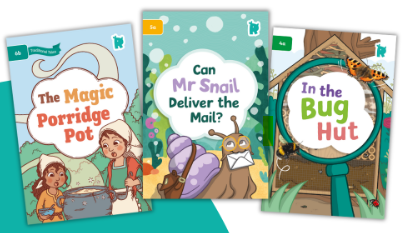
We use Rhino Readers alongside our phonics programme. Additionally, staff follow their pupil interests and would identify books with the phonics lead to use.
How you can support your child at home
-
Reading at Home
-
Read with your child, this can be the child reading, or you reading to them. Encourage them to sound out unfamiliar words using their phonics knowledge. Praise their efforts and make reading enjoyable
-
-
Practise sounds
-
Review the sounds your child is learning (we'll send information home about these), play sound games – "I spy something beginning with...". Look for sounds in everyday places – on signs, packaging, labels.
-
Useful websites and resources: